
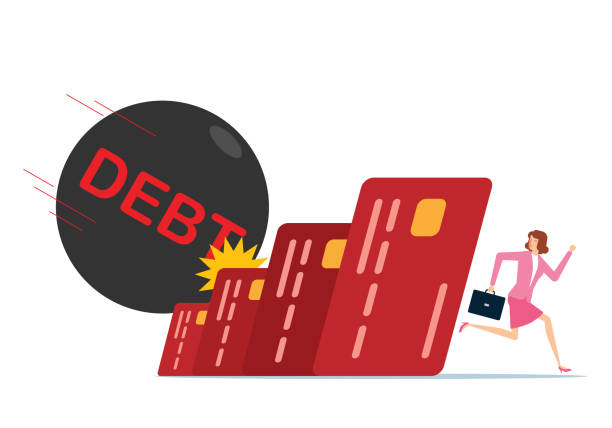
Debt is one of the most common sources of stress in modern life. Whether it’s credit card bills piling up, student loans, medical expenses, or personal loans, debt can quickly feel overwhelming. The constant worry about making payments, the fear of falling behind, and the pressure from collectors can take a toll on your mental, emotional, and even physical health. But here’s the truth: debt stress doesn’t have to control your life. With the right mindset, strategies, and support, you can break free from the anxiety that debt brings and reclaim your peace of mind.
This survival guide is designed to help you understand debt stress, why it happens, and most importantly, how to stop it from ruining your life. We’ll cover practical tips, real-life examples, and actionable advice that anyone can follow—no matter how deep in debt you might be.
Understanding Debt Stress: What Is It and Why Does It Happen?
Debt stress is more than just financial pressure; it’s an emotional and psychological burden. When you owe money, especially large sums, it triggers the brain’s stress response. This can lead to anxiety, sleepless nights, poor concentration, and even depression.
Why Debt Stress Feels So Heavy:
- Uncertainty: Not knowing if you’ll make the next payment creates fear.
- Shame and Embarrassment: Many people feel ashamed about their debt, which can isolate them from seeking help.
- Constant Reminders: Bills, calls, and collection letters constantly remind you of the problem.
- Loss of Control: Feeling trapped and helpless fuels frustration and hopelessness.
Debt stress doesn’t discriminate—it can affect anyone from recent graduates with student loans to retirees managing medical bills. But understanding what causes it is the first step toward managing and overcoming it.
Step 1: Face Your Debt Honestly and Calmly
The natural reaction to overwhelming debt is often avoidance—ignoring bills, dodging calls, or hoping the problem disappears. Unfortunately, ignoring debt only makes stress worse.
How to Start Facing Your Debt:
- Gather all your financial information: List out every debt you owe, including balances, interest rates, minimum monthly payments, and due dates.
- Calculate your total debt: Seeing the full picture helps reduce uncertainty.
- Set aside dedicated time: Instead of tackling debt stress in a rushed or anxious state, pick a calm moment where you can focus clearly.
Example:
Jessica had credit card debt from multiple cards and felt overwhelmed. Instead of hiding, she made a list of all her debts on a spreadsheet. Seeing everything in one place gave her a sense of control and allowed her to start making a plan.
Step 2: Create a Realistic Budget That Includes Debt Payments
A budget is your financial roadmap. Without one, it’s easy to lose track of where your money goes and feel powerless.
Tips for Building a Budget:
- Track your income and expenses: Use apps, spreadsheets, or simply a notebook.
- Prioritize essentials: Food, rent/mortgage, utilities, transportation.
- Allocate funds for debt: At least the minimum payments on all debts to avoid late fees.
- Cut unnecessary spending: Identify subscriptions or habits that can be paused or reduced.
Example:
Tom realized he was spending $200 a month on dining out. By cutting this in half and redirecting $100 towards his credit card debt, he accelerated his repayment without feeling deprived.
Step 3: Communicate with Creditors and Seek Help
Ignoring creditors is tempting but not effective. Most creditors prefer to work with you rather than push you into default.
How to Communicate Effectively:
- Be honest about your situation: Explain if you are struggling.
- Ask for hardship programs: Many lenders offer reduced payments, interest freezes, or extensions.
- Negotiate for better terms: Sometimes you can lower interest rates or settle debts for less.
Example:
After losing his job, Mike contacted his credit card company. They placed his account in a hardship program, lowering his payments and stopping interest for six months, relieving his immediate stress.
Step 4: Choose a Debt Repayment Strategy That Fits You
Paying off debt isn’t one-size-fits-all. Here are some popular strategies:
Debt Snowball Method:
- Pay off the smallest debt first to gain momentum.
- Example: If you owe $500 on one card and $2,000 on another, focus on the $500 debt first while making minimum payments on others.
Debt Avalanche Method:
- Pay off the highest-interest debt first to save on interest.
- Example: Pay off a credit card with 20% interest before a loan with 10%.
Choose what motivates you most. The snowball method offers psychological wins, while avalanche saves money in the long term.
Step 5: Build an Emergency Fund to Avoid Future Debt
One reason people fall into debt is unexpected expenses like car repairs or medical bills.
How to Start Your Emergency Fund:
- Aim for at least $500 initially, then work toward 3-6 months of expenses.
- Set small, regular savings goals.
- Use a separate savings account to avoid spending it impulsively.
Example:
Maria saved $25 a week in a separate account. When her car broke down, she used this fund and avoided putting the repair on her credit card.
Step 6: Develop Healthy Financial Habits for Long-Term Stress Relief
Once you’ve tackled immediate debt, creating good habits helps keep stress at bay.
Healthy Habits Include:
- Regularly reviewing your budget.
- Tracking spending to avoid surprises.
- Setting financial goals (buying a home, retirement).
- Continuing education about personal finance.
Step 7: Take Care of Your Mental and Emotional Health
Debt stress isn’t just about money; it impacts your well-being.
Tips for Managing Debt Stress Emotionally:
- Practice mindfulness or meditation: Calm your mind.
- Exercise regularly: Physical activity reduces anxiety.
- Seek support: Talk to trusted friends, family, or a counselor.
- Avoid self-blame: Debt is a problem to solve, not a reflection of your worth.
Real-Life Success Story
Sophia’s Journey from Debt Despair to Freedom
Sophia had $25,000 in credit card and medical debt. She felt overwhelmed and anxious every day. After hitting rock bottom, she started tracking her expenses and made a strict budget. She contacted creditors to negotiate lower payments and used the debt snowball method to tackle her smallest debts first. She also joined a support group for people managing debt stress. Within two years, Sophia paid off all her debts and built a $5,000 emergency fund. Her stress levels dramatically dropped, and she now volunteers to help others struggling with debt.
Final Words: You Are Not Alone and You Can Overcome Debt Stress
Debt stress can feel isolating, but millions face it and come out stronger. The key is to take control, make a plan, and seek support when needed. Remember, debt is a challenge—not a life sentence. With patience, discipline, and the right approach, you can stop debt stress from ruining your life and start building a financially healthy, peaceful future.